Firestarters
FIRESTARTERS Buying Guide: Everything Importers Need to Know Before Choosing a Private Label Manufacturer
Introduction
The global demand for FIRESTARTERS continues to grow as consumers seek convenient, reliable, and eco-friendly solutions for lighting fireplaces, BBQ grills, wood stoves, pizza ovens, campfires, and charcoal. Whether for retail stores, supermarkets, hardware chains, garden centers, or e-commerce platforms, private label firestarter products have become an attractive category with strong repeat purchase potential.
For importers, wholesalers, and brand owners, sourcing the right firestarter manufacturer is about much more than simply comparing prices. Buyers today focus heavily on product consistency, certifications, packaging flexibility, sustainability, lead times, and export experience.
When contacting manufacturers, professional buyers usually ask a similar set of questions before moving forward with samples or orders. These questions help determine whether the supplier can meet both commercial and regulatory requirements for long-term cooperation.
In this comprehensive guide, we will explain the most common buyer questions about FIRESTARTERS, including:
Materials and composition
Wood type and origin
Resin content and product specifications
Packaging formats and private label options
MOQ requirements
Pricing structures
Production lead times
Certifications and compliance
Export documentation
Production capacity and market experience
This article is designed for importers, distributors, wholesalers, and private label brands looking to source high-quality firestarters from reliable manufacturers.
Sunrich Firestarters Your reliable supplier in China.
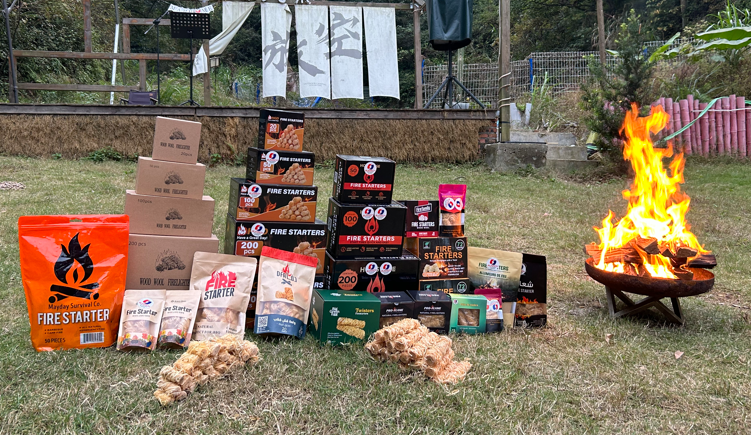
What Are FIRESTARTERS?
FIRESTARTERS are combustible products designed to ignite charcoal, wood logs, pellets, or biomass fuel quickly and efficiently. They are widely used in:
BBQ grilling
Fireplaces
Camping
Outdoor cooking
Wood stoves
Pizza ovens
Bonfires
Survival kits
Modern firestarters are available in many forms, including:
Cubes
Wood wool firelighters
Paraffin blocks
Wax-coated sticks
Compressed sawdust starters
Natural fiber starters
Eco-friendly biomass firelighters
Consumers increasingly prefer products that are:
Odorless
Easy to ignite
Long-burning
Waterproof or moisture-resistant
Safe for food cooking applications
Eco-friendly and sustainable
Because of this trend, private label buyers now pay close attention to raw material sourcing and certification standards.
Materials & Composition: Key Questions Buyers Ask
Wood Type and Origin
One of the first questions buyers ask manufacturers is:
What wood species are used in the FIRESTARTERS?
This matters because wood quality directly impacts:
Burning time
Smoke level
Odor
Ignition performance
Environmental positioning
Common wood materials include:
Softwood
Softwood species such as pine or spruce ignite easily and are widely used in traditional firestarters.
Advantages:
Fast ignition
Lower production cost
Widely available
Hardwood
Hardwoods provide longer burn duration and more stable combustion.
Advantages:
Longer burning time
Better premium positioning
Reduced ash production
Recycled Wood
Eco-focused brands increasingly request recycled wood fibers or sawdust.
Advantages:
Sustainable marketing
Lower waste
Attractive for EU markets
Importers also frequently ask about the country of origin of the wood material because EU and North American markets often require proof of legality and sustainability.
Resin Content and Specifications
Some firestarters contain natural or synthetic resin compounds to improve ignition performance.
Buyers commonly ask:
Is the resin natural or petroleum-based?
What percentage of resin is used?
Is the product food-safe for BBQ use?
Are there any chemical additives?
Premium manufacturers increasingly offer:
Natural wax firestarters
Vegetable-based binders
Odorless formulas
Low-emission products
For eco-conscious markets, many retailers now prefer:
FSC-certified wood
Paraffin-free products
Natural wood wool starters
Non-toxic ignition materials
Private Label Packaging Options for FIRESTARTERS
Packaging flexibility is one of the most important aspects of private label sourcing.
Retail Pack Formats
Different markets require different retail configurations. Common packaging formats include:
Small Retail Packs
12 cubes
24 cubes
32 cubes
48 cubes
These are common for:
Supermarkets
Convenience stores
Discount retail
Medium Retail Boxes
1 lb boxes
2 lb boxes
5 lb boxes
Popular for:
Hardware stores
Garden centers
BBQ specialty shops
Large Box Formats
Many importers specifically request:
10 lbs
25 lbs
50 lbs
These large formats are especially popular in:
Wholesale clubs
Commercial BBQ supply
Foodservice
Winter fuel retailers
Large bulk packaging is often more cost-efficient and suitable for pallet distribution.
Packaging Types
Manufacturers may offer several packaging options:
Shrink Wrap
Advantages:
Cost-effective
Compact
Retail-friendly
Printed Cartons
Advantages:
Strong shelf presentation
Better branding
Premium appearance
Poly Bags
Advantages:
Lower packaging cost
Good for bulk sales
Kraft Paper Bags
Advantages:
Eco-friendly branding
Sustainable image
Display Trays
Retail-ready display packaging helps supermarkets reduce labor and improve shelf merchandising.
Master Carton Details
Professional buyers almost always request:
Units per carton
Carton dimensions
Gross/net weight
Pallet configuration
Container loading quantities
These details are essential for:
Freight calculations
Warehouse planning
Amazon FBA preparation
Retail logistics optimization
Private Label Branding for FIRESTARTERS
Can Buyers Use Their Own Brand?
One of the most common sourcing questions is:
Can we use our own branding, packaging design, and barcode?
The answer from experienced manufacturers is usually yes.
Private label services often include:
Custom logo printing
Full-color packaging design
Custom barcode placement
Multilingual packaging
Retail compliance labeling
QR code integration
Some suppliers also offer:
Design assistance
Artwork adaptation
Packaging mockups
Retail-ready display development
Artwork and Tooling Costs
Buyers should ask whether there are:
Printing plate fees
Mold costs
Packaging setup charges
Artwork adjustment fees
Many factories waive setup costs for:
Full container orders
Long-term contracts
Repeat customers
MOQ for FIRESTARTERS Private Label Production
What Is MOQ?
MOQ stands for Minimum Order Quantity.
Manufacturers use MOQ requirements to maintain efficient production scheduling and packaging setup economics.
Typical MOQ structures include:
| Product Type | Typical MOQ |
|---|---|
| Standard packaging | 1 pallet |
| Custom private label | 1x20ft container |
| Fully customized packaging | Higher MOQ |
MOQ Per SKU
Importers should clarify:
MOQ per individual SKU
MOQ per packaging format
Mixed container possibilities
Some factories allow:
Mixed SKUs in one container
Mixed packaging sizes
Multi-brand production runs
This flexibility is valuable for distributors testing new markets.
FIRESTARTERS Pricing Structure
EXW, FOB, and CIF Pricing
Professional buyers usually request pricing under multiple Incoterms.
EXW (Ex Works)
Buyer arranges:
Pickup
Export clearance
Shipping
Advantages:
Maximum logistics control
FOB (Free On Board)
Supplier handles:
Inland transportation
Export customs
Port delivery
Buyer handles:
Ocean freight
Import clearance
CIF (Cost Insurance Freight)
Supplier includes:
Ocean freight
Insurance
Advantages:
Easier purchasing process
Pricing Factors
The cost of FIRESTARTERS depends on:
Raw Materials
Wood species
Wax type
Resin content
Packaging
Printed boxes
Shrink film
Display trays
Certification Requirements
Certified products may involve:
Testing costs
Audit fees
Compliance documentation
Order Volume
Larger orders usually reduce:
Unit cost
Packaging cost
Freight cost per unit
Lead Times for FIRESTARTERS Production
Lead time is a critical factor for importers, especially before winter or BBQ seasons.
Sample Lead Time
Typical sample timelines:
Stock samples: 3–7 days
Custom packaging samples: 7–14 days
Buyers should request:
Courier options
Sample cost policy
Refundability after order
First Production Order
First orders often require:
Packaging approval
Artwork confirmation
Production scheduling
Typical lead times:
30–45 days
Longer during peak season
Repeat Orders
Repeat orders are usually faster because:
Packaging already exists
Materials are standardized
Production planning is easier
Typical repeat order lead time:
20–30 days
Certifications for FIRESTARTERS
DIN EN 1860-3
One of the most requested certifications in Europe is:
DIN EN 1860-3
This standard applies to:
Firelighters
Ignition aids
BBQ lighting products
It evaluates:
Safety
Burning behavior
Chemical composition
European retailers frequently require this certification before listing products.
Sustainability Certifications
Eco-focused buyers may also request:
FSC Certification
Demonstrates responsible forest sourcing.
PEFC Certification
Another recognized forestry sustainability system.
REACH Compliance
Required for chemical safety compliance in the EU.
Export Documents
Importers often ask suppliers whether they can provide:
Certificate of Origin
MSDS/SDS
Packing list
Commercial invoice
Phytosanitary documents (if applicable)
Fumigation certificate
Bill of lading documentation
Reliable export documentation is essential for customs clearance and retailer compliance.
Production Capacity and Export Experience
Professional buyers want to know whether the manufacturer can support long-term growth.
Monthly Production Capacity
Factories may produce:
Several pallets per day
Hundreds of containers annually
Seasonal surge production
Buyers should ask:
Average monthly capacity
Peak season capability
Backup production plans
Main Export Markets
Experienced exporters usually supply markets such as:
Germany
France
UK
USA
Canada
Scandinavia
Australia
Export experience is important because different markets have:
Different labeling rules
Different certification requirements
Different pallet standards
Manufacturers familiar with international retail systems are usually easier to work with.
How to Choose the Right FIRESTARTERS Manufacturer
When evaluating suppliers, buyers should compare:
Product Quality
Ignition speed
Burn duration
Odor level
Smoke output
Compliance
EU standards
Sustainability certifications
Safety documentation
Packaging Flexibility
Retail formats
Bulk options
Private label capability
Communication
Strong communication reduces:
Production errors
Labeling mistakes
Shipping delays
Export Experience
Experienced exporters understand:
Freight procedures
Documentation
Retail packaging requirements
Sunrich Factory is one of your options .
Why Private Label FIRESTARTERS Continue Growing
Private label products allow distributors and retailers to:
Build brand loyalty
Improve profit margins
Differentiate from competitors
The FIRESTARTERS category remains attractive because:
Consumers repurchase frequently
Seasonal demand is strong
BBQ culture continues expanding globally
Outdoor living trends remain popular
Eco-friendly and natural firestarter products are especially growing in demand across Europe and North America.
Conclusion
The global market for FIRESTARTERS offers strong opportunities for importers, wholesalers, and private label brands. However, choosing the right manufacturing partner requires careful evaluation of materials, certifications, packaging flexibility, pricing structures, production lead times, and export capabilities.
Professional buyers typically ask detailed questions about:
Wood origin
Resin content
Packaging formats
MOQ requirements
EXW/FOB/CIF pricing
Production schedules
Certifications
Export documents
Monthly production capacity
Manufacturers that provide transparent answers, stable quality, flexible private label support, and reliable export experience are far more likely to become successful long-term partners.
As demand for eco-friendly, convenient, and retail-ready ignition products continues to increase worldwide, high-quality private label FIRESTARTERS remain an excellent product category for global distribution and brand development.